

Owner-first aircraft management.
Trinity coordinates the aircraft, certificate strategy, charter offset, and operating records with your tax advisors before the ownership structure is finalized.
The Decision Path
100% bonus depreciation starts with the ownership structure.
Bonus depreciation is powerful only when the facts support it. Aircraft use, entity structure, placed-in-service timing, business-purpose records, and personal-use treatment all shape the outcome. Trinity works with your tax advisors so the operating plan does not become an afterthought to the tax plan.
- Ownership structure
- Placed-in-service timing
- Business-use records
- Personal-use tracking
- Charter offset posture
- Advisor coordination
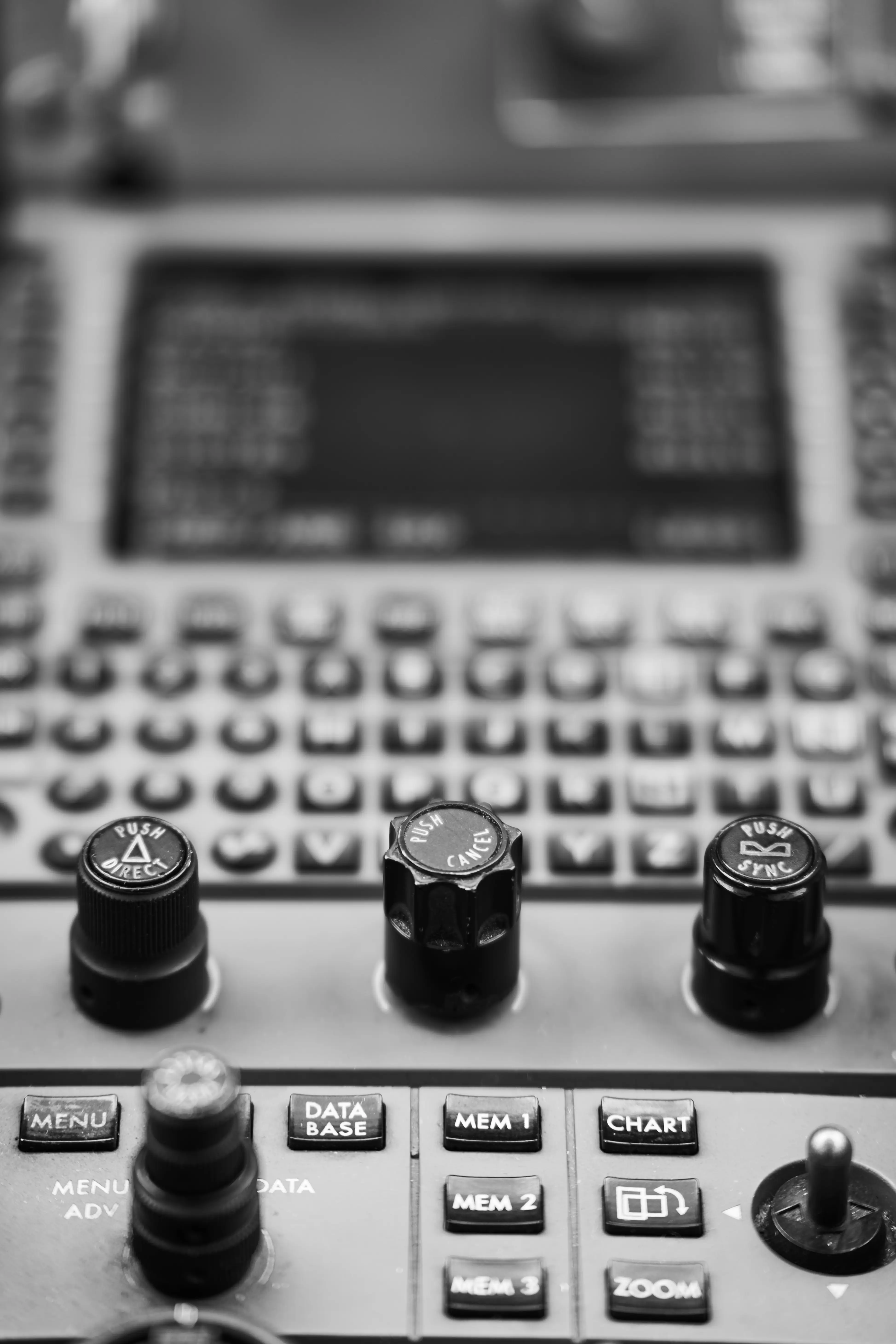
For owners evaluating a year-end purchase, timing matters. The aircraft should be reviewed for acquisition, readiness, ownership structure, and intended use before closing and before placed-in-service decisions are assumed.
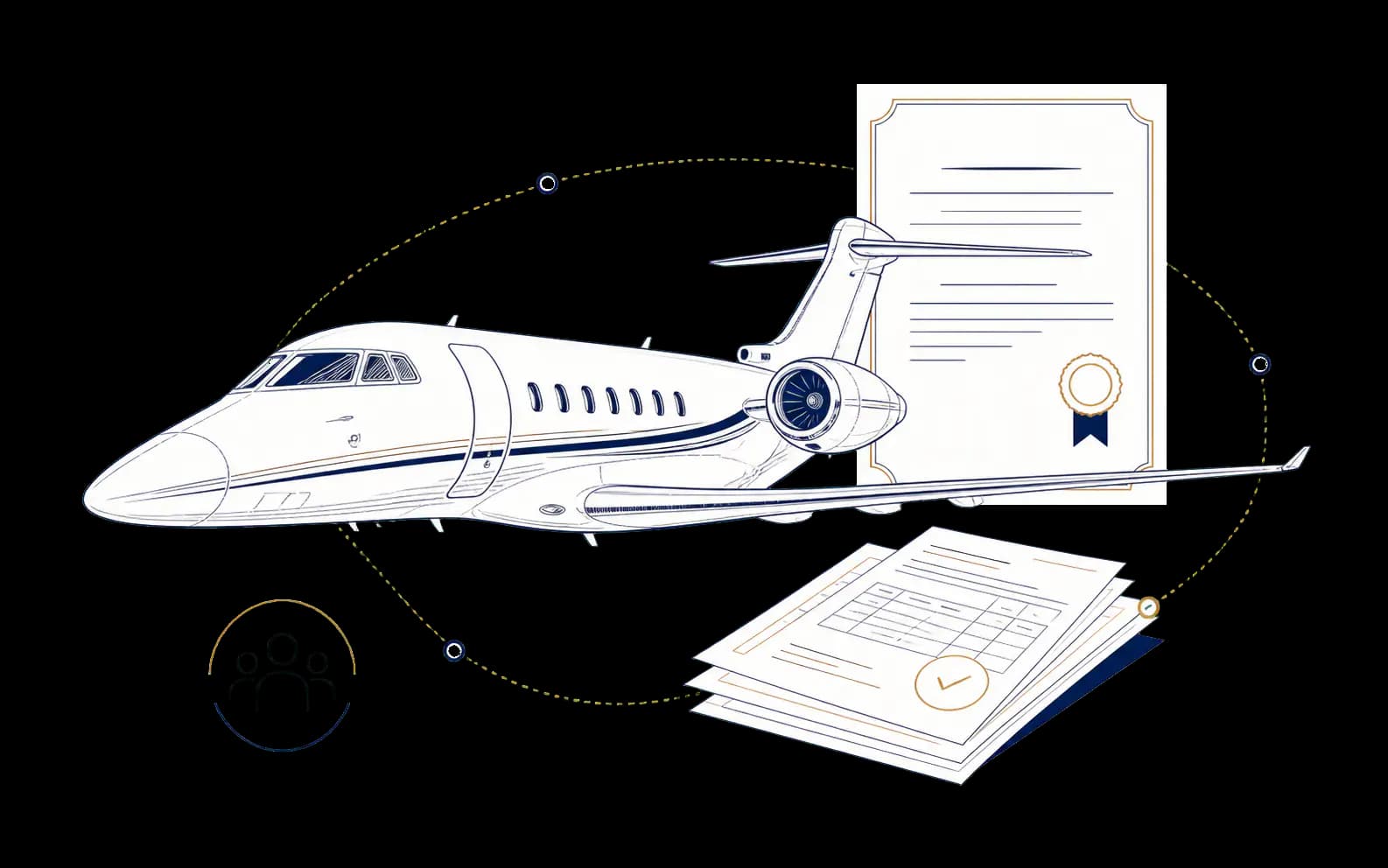
Certificate strategy can change the tax exposure.
Certificate strategy is one of the most important ownership decisions because it can affect more than charter availability. The right posture may influence sales-and-use tax planning, county personal property exposure, maintenance requirements, operating records, and how the aircraft can be used.
Trinity coordinates with aviation counsel and tax advisors to make sure the certificate plan, aircraft records, owner use, and charter activity are aligned before the aircraft enters service.
The right management plan starts before the aircraft is purchased.
A good aircraft on paper can still be the wrong aircraft for the owner. Range, runway performance, cabin expectations, maintenance calendar, crew market, avionics, inspection status, and future resale all matter. Trinity helps evaluate the aircraft against the mission and the ownership plan before paperwork starts.
- Mission profile
- Aircraft fit
- Tax structure
- Certificate posture
- Maintenance status
- Crew plan
- Charter suitability
- Exit position
Then paperwork.
Charter offset, without turning the aircraft into someone else’s schedule.
Charter can reduce the net cost of ownership, but it should not be sold as a profit promise. The right answer depends on aircraft type, owner schedule, market demand, maintenance timing, and how much outside use the owner is comfortable allowing.
Trinity models charter around the owner’s priority first. Some aircraft are strong charter candidates. Some should remain more private. That call belongs in the ownership conversation before the management plan is built.
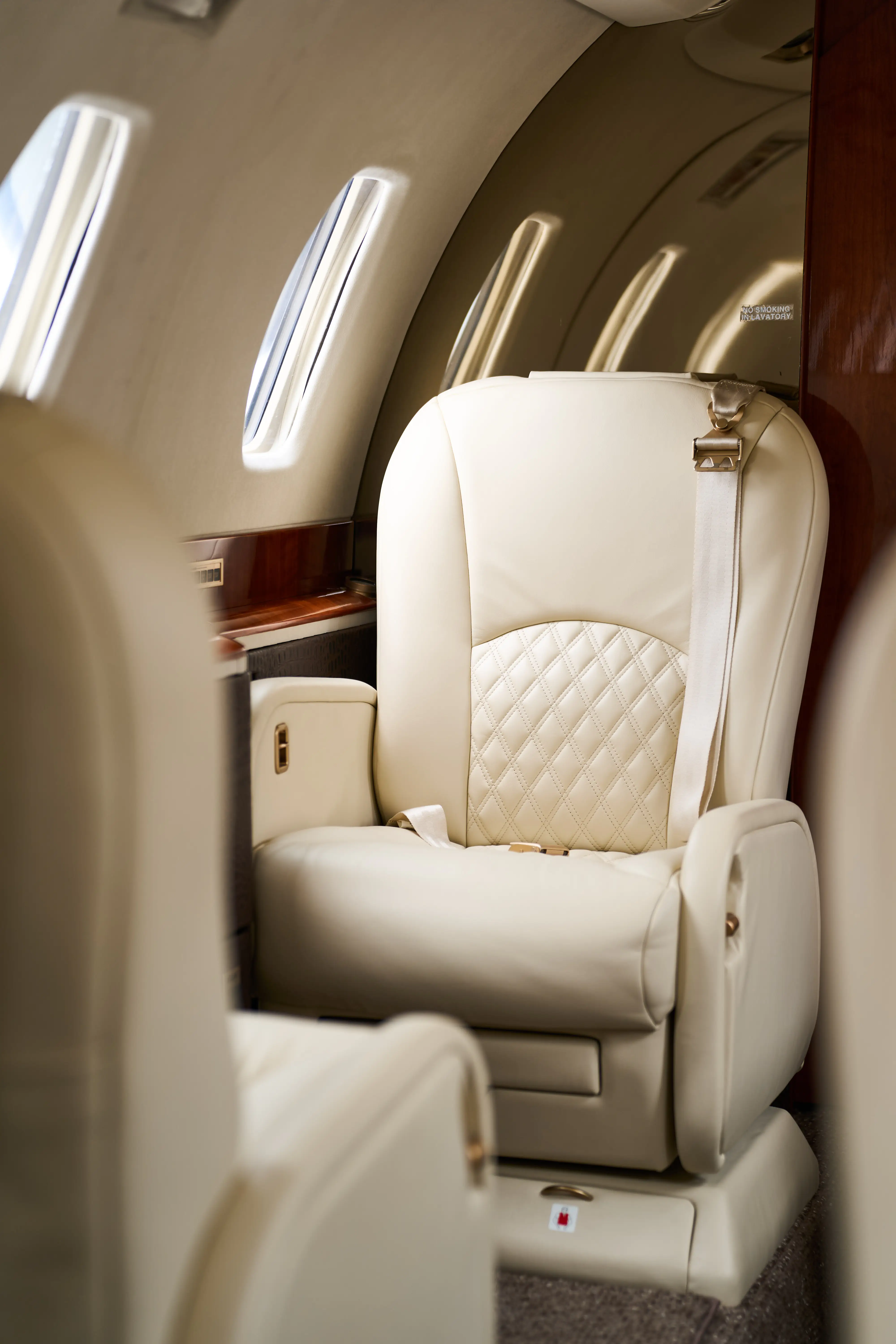
Most owners we manage land between 200 and 250 annual charter hours when the aircraft, owner schedule, and market fit support it.
Have the Owner Conversation.
This is a strategic ownership conversation, not a generic management quote. Bring the aircraft you are considering, the aircraft you already own, or the ownership question your advisors are working through.